

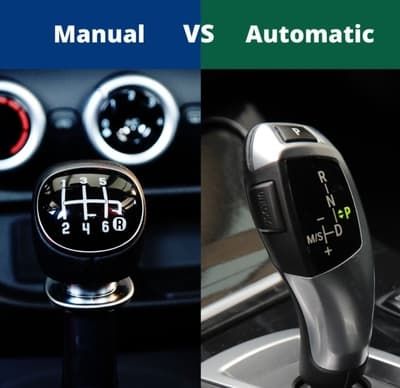
Automatic or Manual Vehicle - Which one is better?
The debate between automatic and manual vehicles has been going on for decades. While many people have their personal preferences, there are some objective factors to consider when deciding which one is better for you. In this article, we will explore the advantages and disadvantages of both automatic and manual vehicles.
First, let's take a look at automatic vehicles. One of the biggest advantages of an automatic vehicle is convenience. You don't have to worry about changing gears while driving, which can make driving less stressful and tiring. This is particularly useful if you do a lot of driving in traffic or on long journeys. Automatic vehicles are also easier to drive for beginners as they don't require much practice to get the hang of it.
Another advantage of automatic vehicles is that they are generally more fuel-efficient than manual vehicles. This is because automatic transmissions are designed to shift gears at the most efficient points, which reduces fuel consumption. In addition, many modern automatic vehicles have fuel-saving technologies, such as stop-start systems, that turn off the engine when the car is stationary, saving fuel and reducing emissions.
However, there are also some downsides to automatic vehicles. They are typically more expensive to buy and maintain than manual vehicles. This is because automatic transmissions are more complex and have more parts that can go wrong. They also require more frequent fluid changes, which can add to the maintenance costs.
Now let's look at manual vehicles. One of the biggest advantages of a manual vehicle is that they offer greater control over the car. You can choose which gear to use at any given time, which can be useful when driving in certain situations, such as on hills or in snow. Manual vehicles are also generally more fun to drive than automatic vehicles, as you have to be more engaged in the driving process.
Manual vehicles are also generally cheaper to buy and maintain than automatic vehicles. This is because manual transmissions are simpler and have fewer parts that can go wrong. They also require less frequent maintenance, which can save you money in the long run.
However, there are also some downsides to manual vehicles. They can be more tiring to drive, particularly in heavy traffic or on long journeys, as you have to constantly change gears. They can also be more difficult to drive for beginners, as it takes practice to get the hang of shifting gears.
In conclusion, both automatic and manual vehicles have their advantages and disadvantages. The decision between the two ultimately comes down to personal preference, driving habits, and budget. If you prioritize convenience, an automatic vehicle may be the better option for you. If you value control and driving engagement, a manual vehicle may be the way to go. Regardless of your choice, it's important to drive safely and responsibly at all times.