

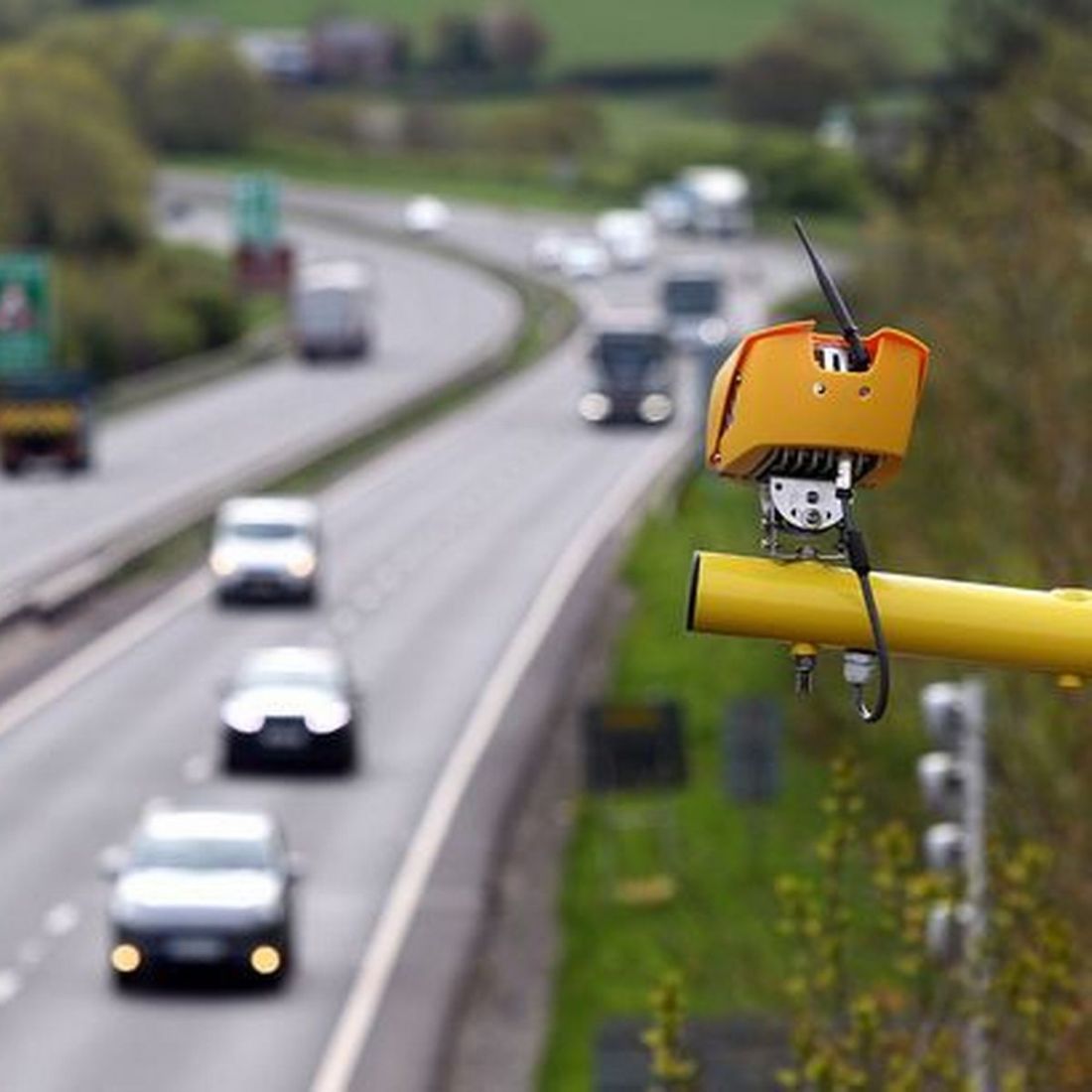
How Average Speed Cameras Work
Have you ever wondered how average speed cameras work? These cameras have become increasingly popular on roads and highways across the world in recent years, and are used to monitor the speed of vehicles over long distances. In this article, we'll take a closer look at how average speed cameras work, and why they are used.
1. What are Average Speed Cameras?
Firstly, let's start with what average speed cameras are. Average speed cameras are a type of traffic enforcement camera that work by tracking the speed of a vehicle over a long distance, rather than just at a single point. They are usually installed in pairs or multiple cameras set up along a stretch of road or a highway.
These cameras are equipped with Automatic Number Plate Recognition (ANPR) technology, which captures an image of a vehicle's number plate as it passes each camera. This technology allows the cameras to accurately track the speed of a vehicle between each camera.
2. How Do Average Speed Cameras Work?
Average speed cameras work by measuring the time it takes for a vehicle to travel between two or more points on a road or highway. This is done by calculating the average speed of the vehicle between each camera.
As the vehicle passes each camera, the ANPR technology captures an image of the vehicle's number plate. The camera then records the time at which the vehicle passes the camera. The same process is repeated at the second camera, and any subsequent cameras along the stretch of road.
Using the time stamps and the distance between the cameras, the cameras can calculate the average speed of the vehicle over the distance traveled. If the average speed exceeds the speed limit for that stretch of road, a fine and/or penalty points may be issued to the vehicle's registered owner.
3. Why are Average Speed Cameras Used?
Average speed cameras are used for a number of reasons, primarily to improve road safety and reduce the number of accidents caused by speeding. Unlike traditional speed cameras, which can lead to erratic driving behavior as drivers brake suddenly to avoid being caught, average speed cameras encourage drivers to maintain a steady and safe speed over a longer distance.
They are also used to monitor traffic flow, and to help identify any road congestion or accidents. The data collected by the cameras can be used to improve road infrastructure, and to make informed decisions about future road planning and development.
4. Are Average Speed Cameras Effective?
Studies have shown that average speed cameras are highly effective in reducing speeding and improving road safety. In the UK, for example, the introduction of average speed cameras on the A77 in Scotland led to a 60% reduction in fatal and serious injuries, and a 32% reduction in all accidents.
In addition, the use of average speed cameras has been shown to have a positive impact on traffic flow, reducing congestion and improving journey times.
Conclusion
Average speed cameras are an effective tool for improving road safety and reducing accidents caused by speeding. By tracking the speed of vehicles over a longer distance, these cameras encourage drivers to maintain a safe and steady speed, rather than braking suddenly to avoid being caught by traditional speed cameras.
While they may be unpopular with some drivers, the data shows that average speed cameras have a positive impact on road safety and traffic flow. So, the next time you see a pair of average speed cameras on the road, remember that they are there to keep you and other road users safe.